
Projects / Products / Research / Policy
The GAB Report Library
Projects, products, research, policy, and practical intelligence from across the sustainable built environment.
-
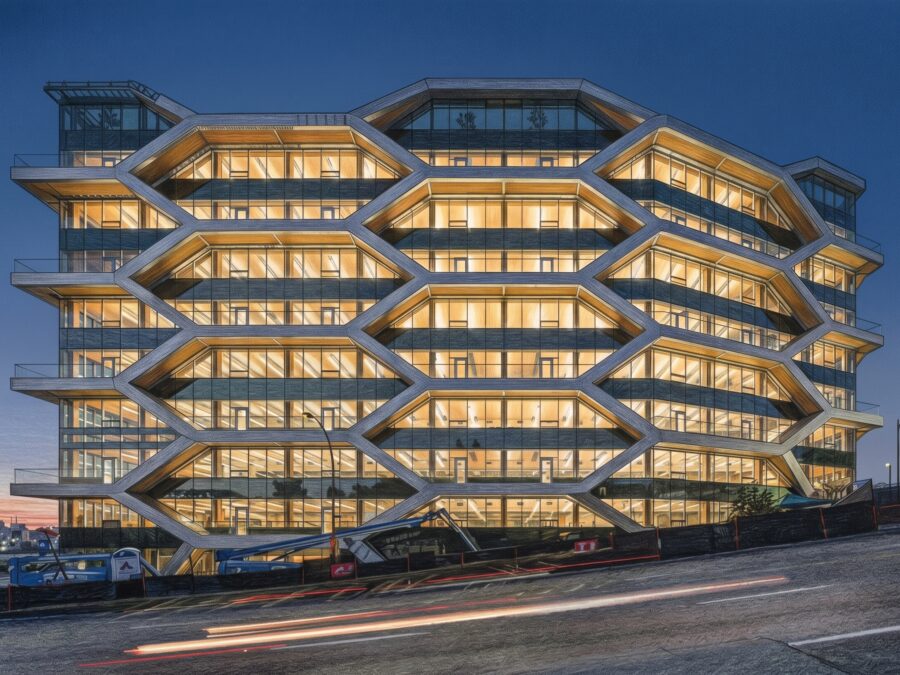
Vancouver Timber Tower Replaces Concrete Core with Braced Frame
Standing 45 meters tall in Vancouver, The Hive eliminates conventional concrete shear cores above its podium. By pairing an exterior Douglas fir glulam braced frame with self-centering friction dampers, the 10-storey mass-timber tower proves high-seismic resilience is achievable with timber lateral systems.
-

Replacing Delivered Fuels with Heat Pumps Saves Maryland Homes $1,600 Annually
An RMI study reveals that Maryland single-family households switching from heating oil and propane to high-efficiency heat pumps reduce annual energy bills by $1,200 to $1,600. Combined with EmPOWER rebates and state funding, delivered-fuel retrofits offer immediate operating cost reductions, especially across rural and exurban service territories.
-
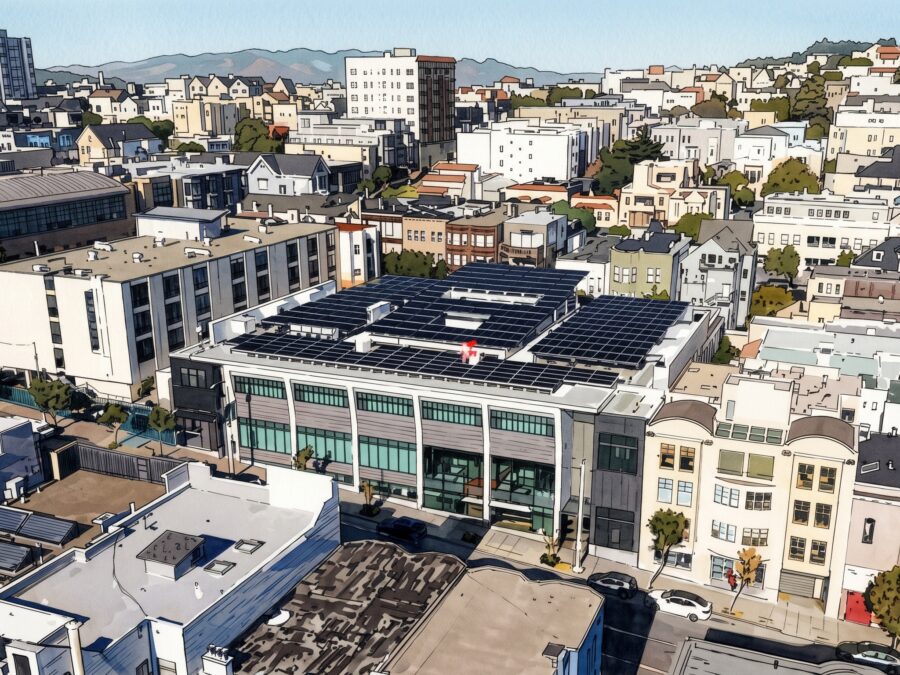
Steel Plate Girders Suspend Net Zero High School Facility Over Urban Gym
San Francisco University High School has opened its first ground-up building in 50 years. Designed by Leddy Maytum Stacy Architects, the 48,000-square-foot infill facility uses 95-foot plate girders to float an all-electric, net-zero-targeted STEM center over a column-free gymnasium.
-
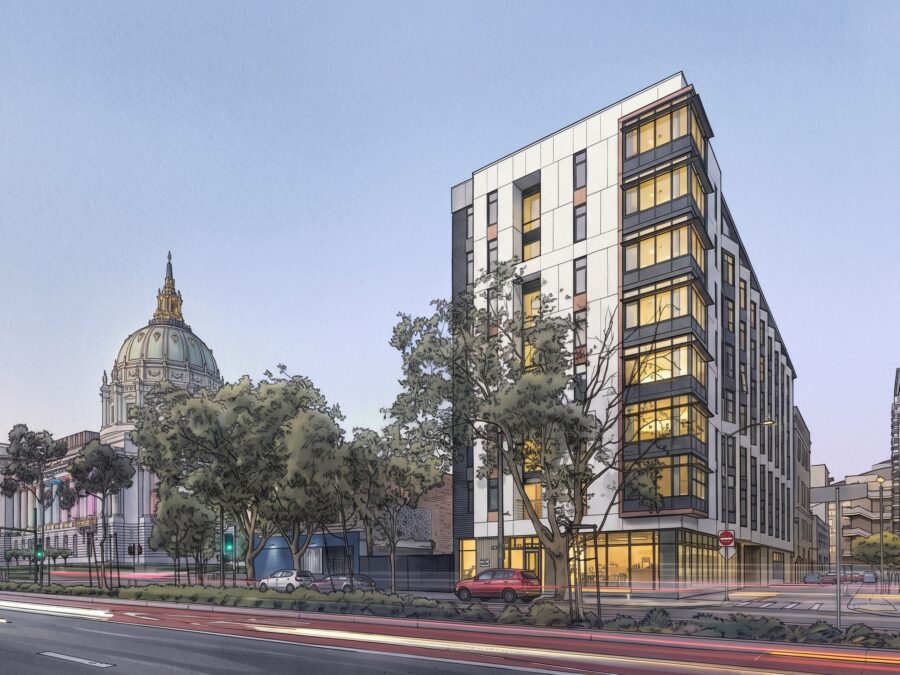
The Kelsey Civic Center Unites Embodied Carbon Cuts and Inclusive Design
The Kelsey Civic Center in San Francisco demonstrates how high-density affordable housing can unite aggressive carbon reduction with universal accessibility. Featuring an all-electric envelope, single-loaded open corridors for natural ventilation, and sensory-conscious interiors, the 112-unit development provides a tangible template for inclusive, low-carbon municipal infill.
-
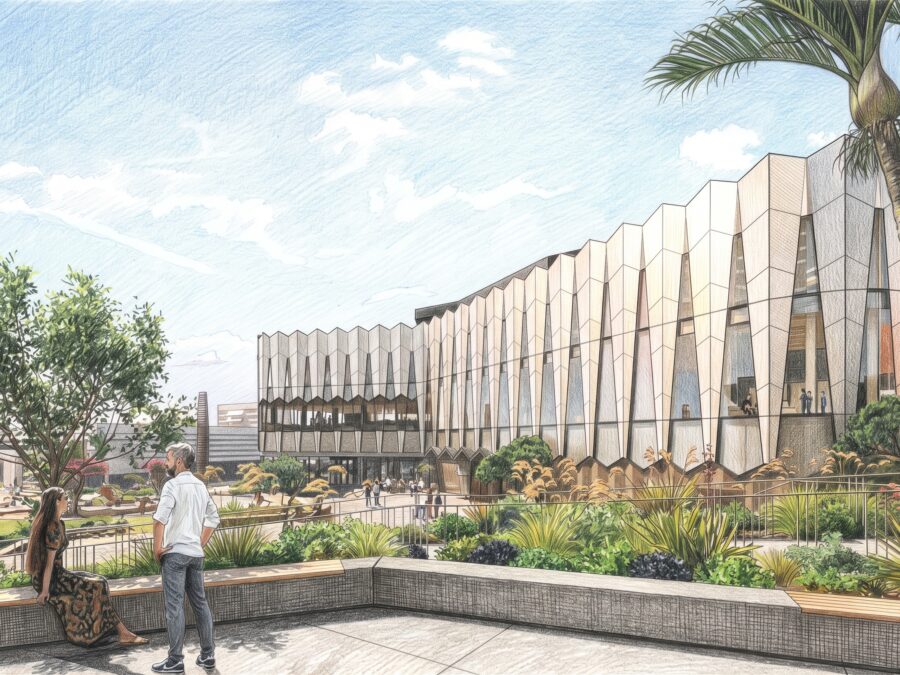
Tauranga Deploys Hybrid Mass Timber to Anchor NZ$306M Civic Precinct
Tauranga City Council is reshaping its central business district through Te Manawataki o Te Papa, a NZ$306.3 million civic precinct featuring hybrid mass-timber construction, certified 6-Star Green Star performance, and co-governance with mana whenua to restore cultural identity and long-term climate resilience.
-
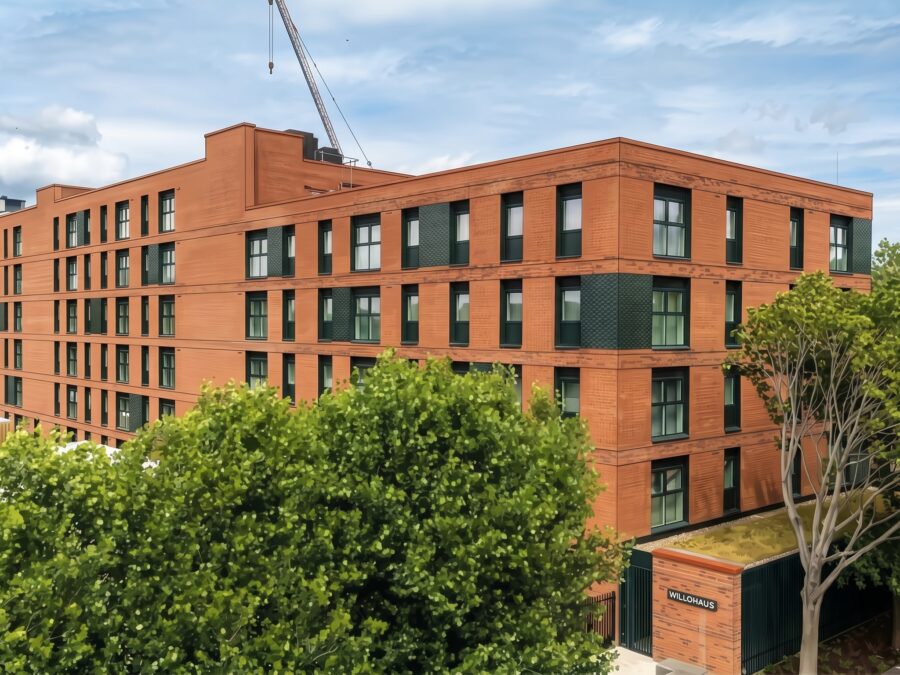
Willohaus Scales Passivhaus Classic for 100 Salford Affordable Homes
Salix Homes and the English Cities Fund have handed over Willohaus, a 100-unit, fully affordable residential scheme in Salford built to certified Passivhaus Classic standards. The all-electric development uses a compact form factor, structural framing infill, and continuous heat recovery ventilation to suppress operational energy demand and protect tenants against fuel poverty.
-
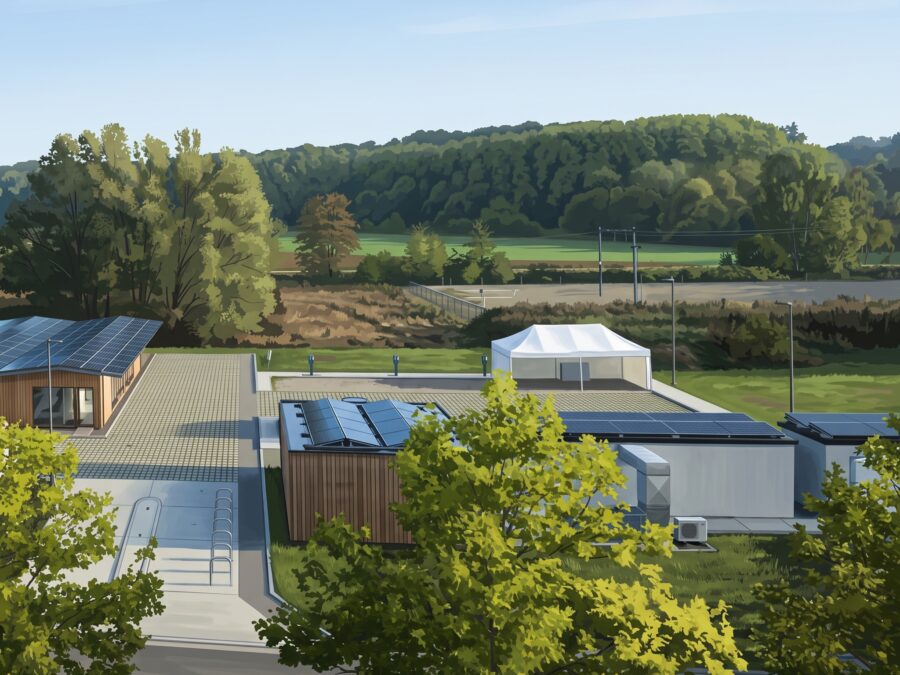
VUB Opens Modular Living Lab to Test Zero-Waste Demountable Systems
Vrije Universiteit Brussel has opened a two-storey, 60-square-metre demonstration building in Zellik, Belgium. Designed under the Horizon Europe RECONSTRUCT consortium, the modular structure tests alkali-activated concrete, bio-composite envelopes, and dry mechanical connections to validate zero-demolition-waste building practices before planned component swaps and full deconstruction.
-
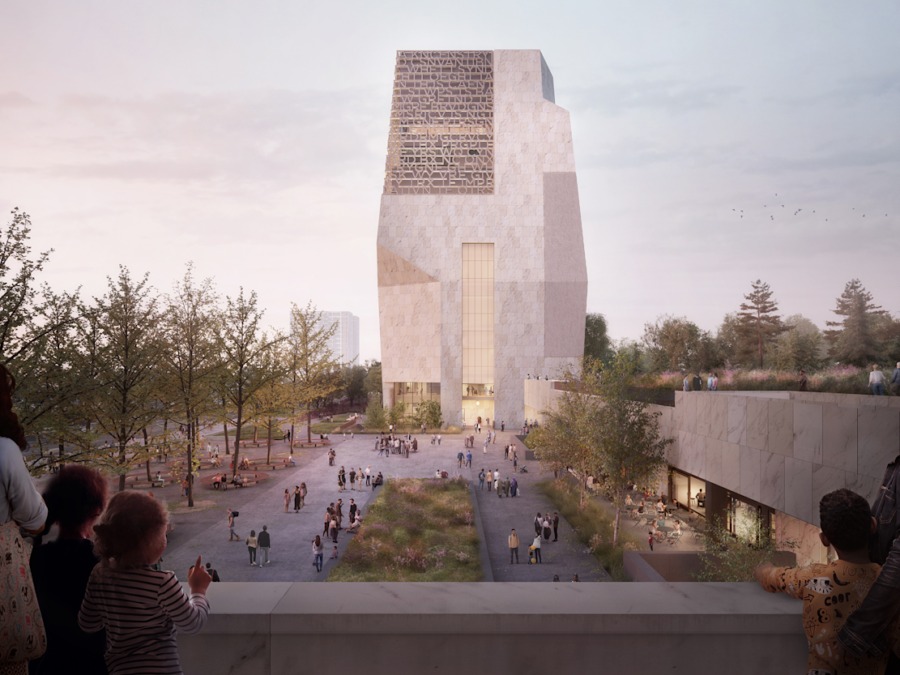
Obama Presidential Center Cuts Fossil Fuels with Deep Geothermal Network
Opening on Chicago’s South Side, the 19.3-acre Obama Presidential Center demonstrates how demanding, museum-grade institutional buildings can completely eliminate on-site combustion in cold climates using a 160-borehole ground heat exchanger, advanced envelope modeling, and extensive stormwater capture.
-
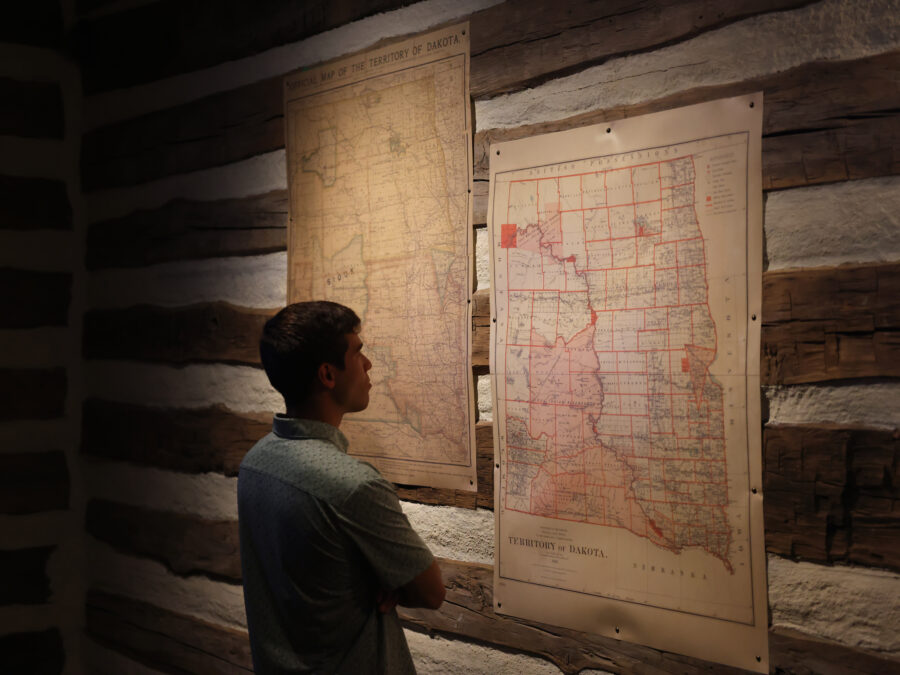
Prairie Roof Anchors Roosevelt Library in North Dakota
Opening in Medora, North Dakota, the Theodore Roosevelt Presidential Library combines mass timber, rammed earth, and a 121,000-square-foot living prairie roof. Designed by Snøhetta, the project integrates passive thermal massing with an all-electric infrastructure while entering a twelve-month performance audit to verify its rigorous net-zero environmental targets.
-
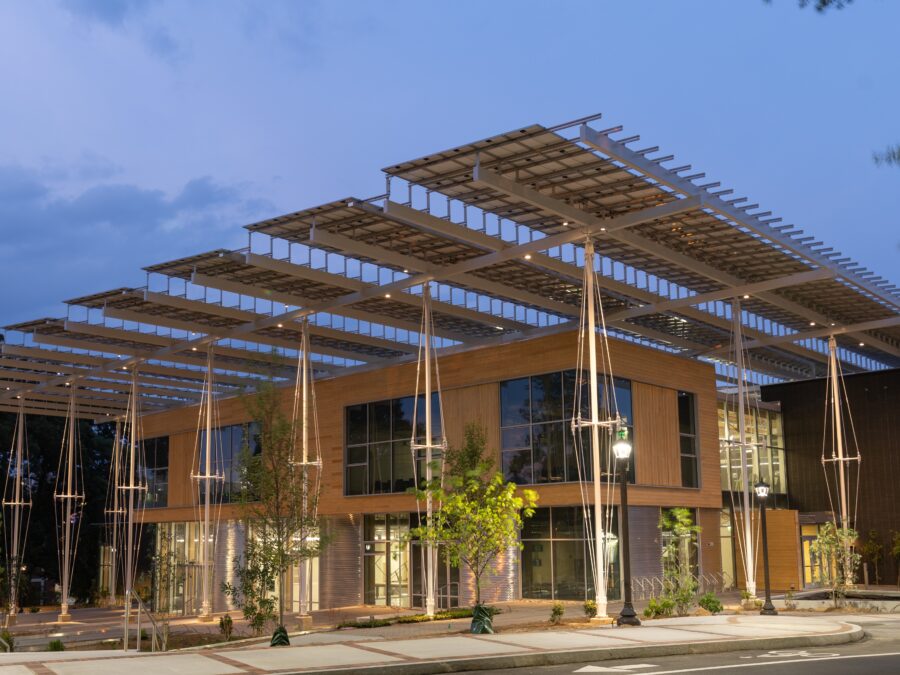
Operational Data From Four Living Buildings Reshapes MEP Practice
Operational performance records from the Bullitt Center, RMI Innovation Center, Kendeda Building, and PAE Living Building demonstrate how engineering assumptions have shifted over two decades, turning once controversial regenerative MEP strategies into reliable building systems.
-
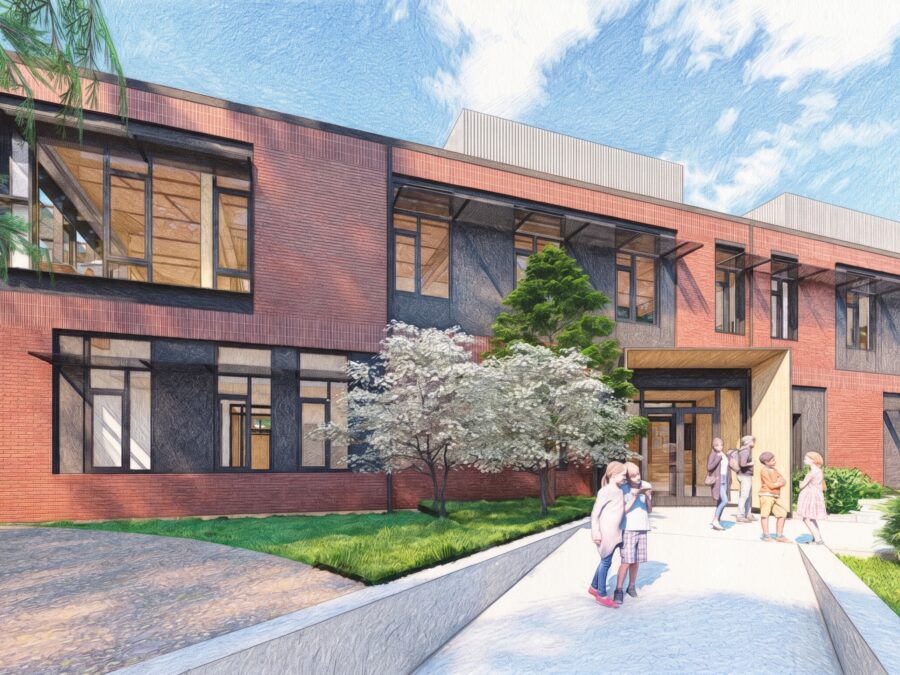
Mass Timber Cuts Embodied Carbon in High Seismic Middle School Study
A whole building life cycle assessment published by WoodWorks compares the mass timber replacement facility for The Bush School in Seattle against a composite steel baseline, demonstrating how structural timber and exposed surfaces lower upfront embodied carbon within high seismic zones.
-
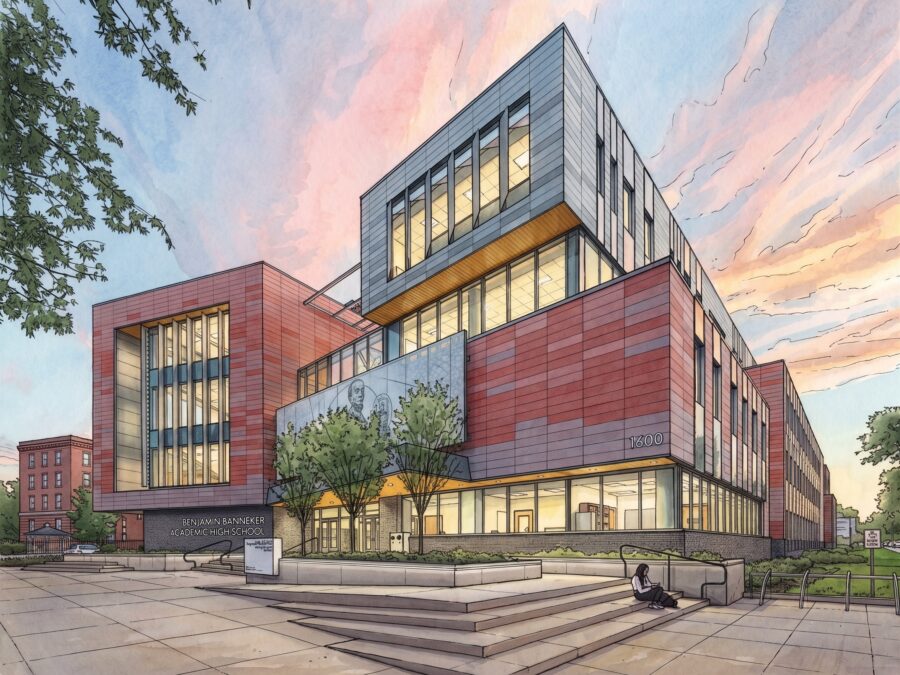
Washington High School Proves All-Electric Net-Zero Design at Scale
Washington, D.C. achieved LEED v4 Platinum certification for the new Benjamin Banneker Academic High School by combining an airtight building envelope, a 950-kilowatt solar array, and deep geothermal wells. The 175,000-square-foot facility now operates at an EUI below 20 kBTU per square foot.