
GAB Report library
Building Materials
-
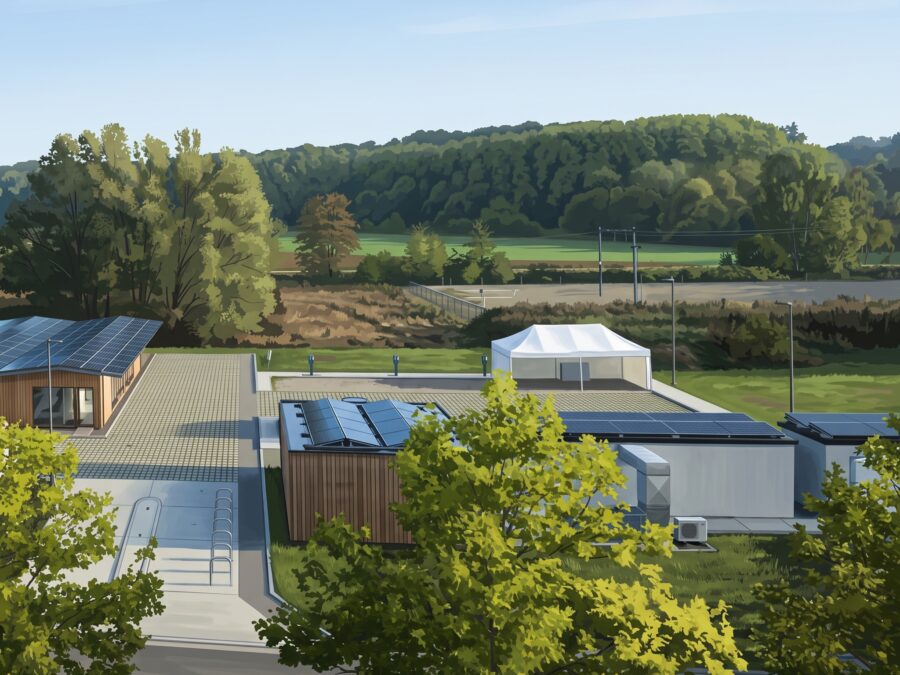
VUB Opens Modular Living Lab to Test Zero-Waste Demountable Systems
Vrije Universiteit Brussel has opened a two-storey, 60-square-metre demonstration building in Zellik, Belgium. Designed under the Horizon Europe RECONSTRUCT consortium, the modular structure tests alkali-activated concrete, bio-composite envelopes, and dry mechanical connections to validate zero-demolition-waste building practices before planned component swaps and full deconstruction.
-
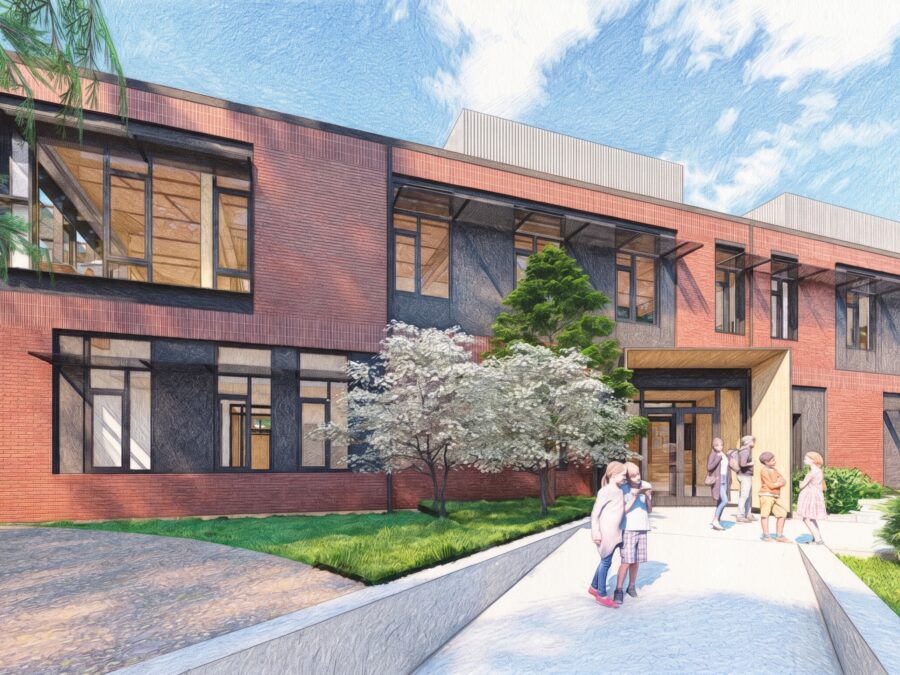
Mass Timber Cuts Embodied Carbon in High Seismic Middle School Study
A whole building life cycle assessment published by WoodWorks compares the mass timber replacement facility for The Bush School in Seattle against a composite steel baseline, demonstrating how structural timber and exposed surfaces lower upfront embodied carbon within high seismic zones.
-
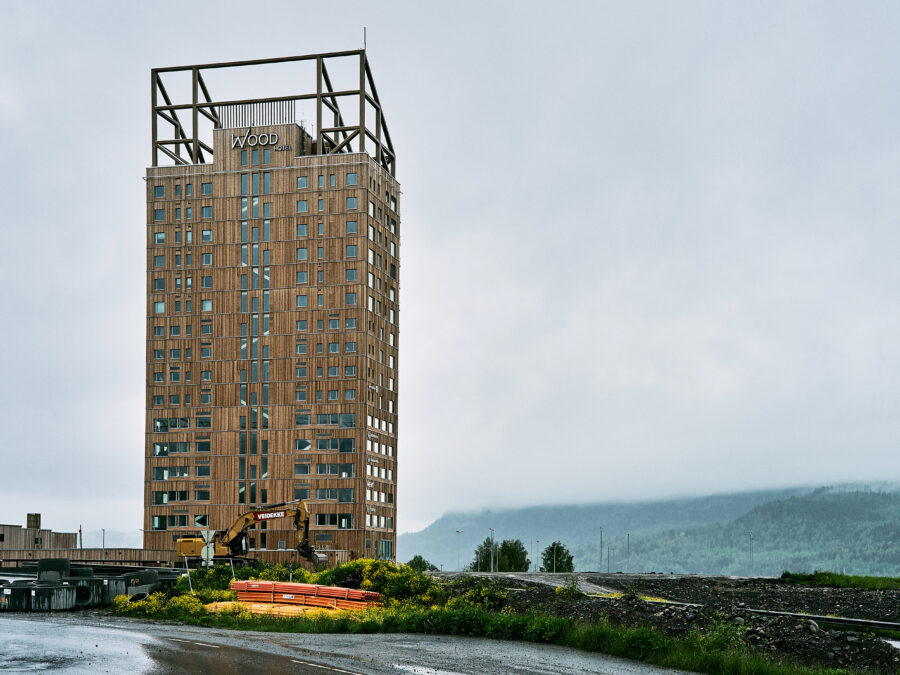
Upper Concrete Decks Solve Wind Sway in Mass Timber High-Rise
Norway’s 85.4-meter Mjøstårnet demonstrates how mass timber scales to high-rise heights by resolving structural dynamics and fire safety through deliberate material trade-offs. By combining regional glulam frames with heavy concrete upper floors, the design tames wind-induced acceleration while maintaining rigorous passive burnout protection under European building standards.
-
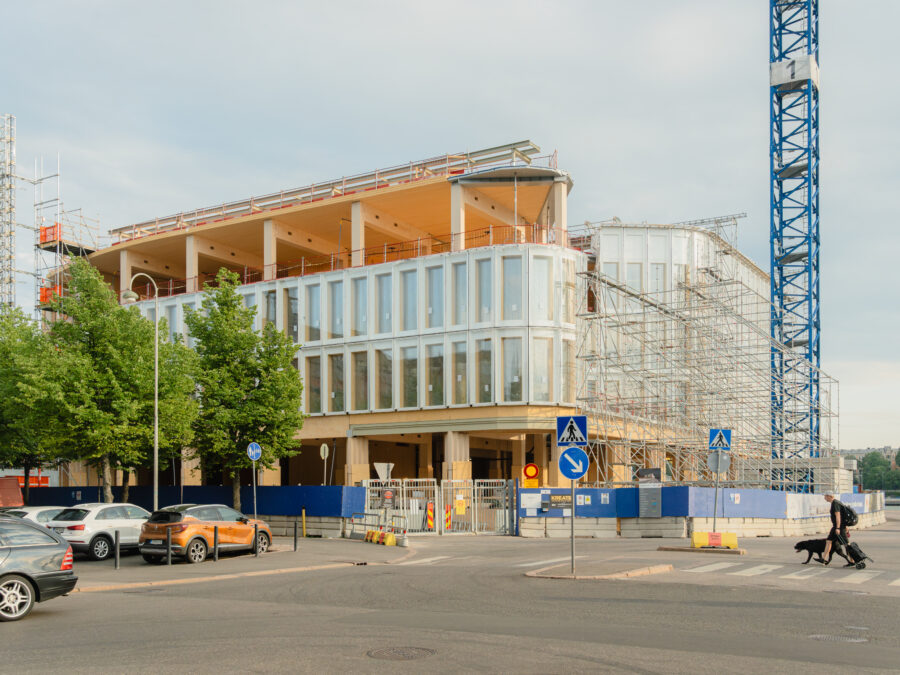
Mass Timber Shaft Walls Replace Concrete Cores in Multi-Story Buildings
Structural guidelines and building code provisions now clarify how cross-laminated timber and light-frame wall assemblies can meet fire-resistance ratings for multi-story elevator and stair shafts. By eliminating concrete and masonry cores, project teams cut construction schedules, resolve differential wood shrinkage, and reduce structural weight.
-
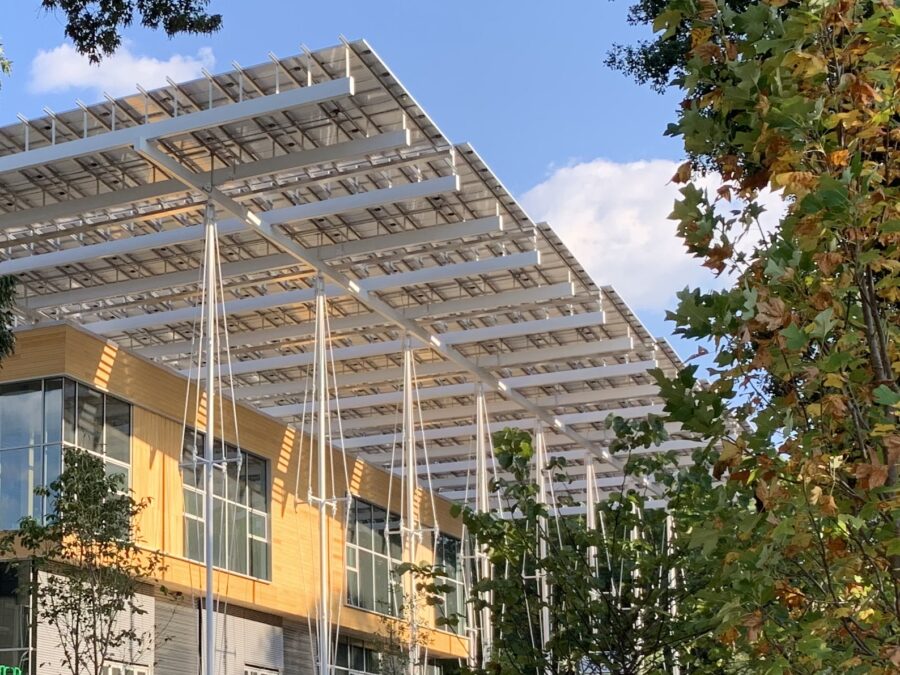
ILFI Holds Red List Steady as Polymer Scrutiny Expands
The International Living Future Institute has kept its enforceable Living Building Challenge Red List unchanged until March 2027. Concurrently, an expanded Watch List signals rigorous future scrutiny for whole polymer families, occupational silica hazards, and common HVAC refrigerants.
-
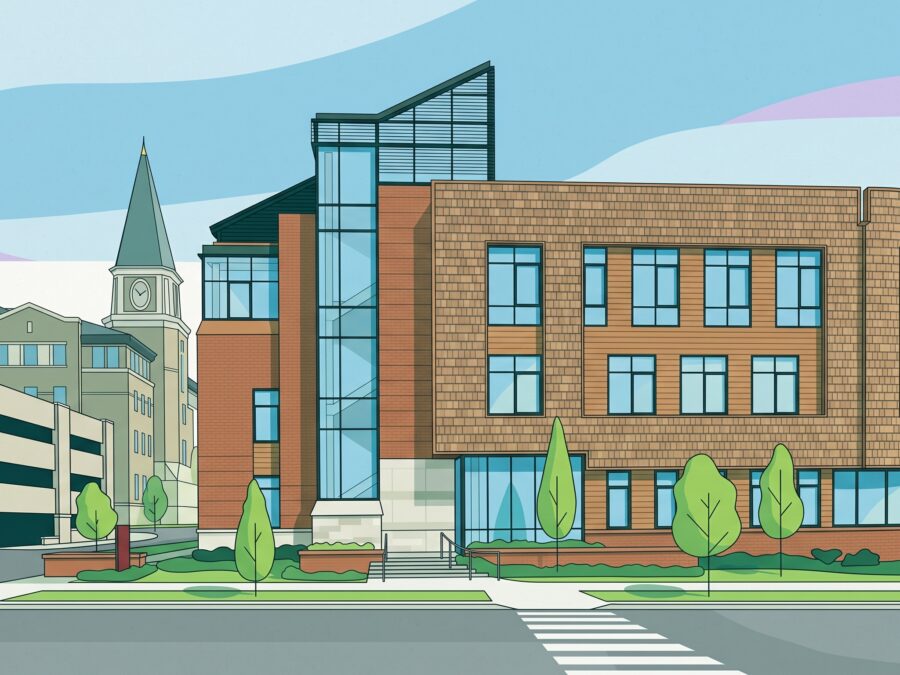
Mass Timber Cuts Upfront Carbon by Half at Denver Burwell Center
A comparative life cycle study of the University of Denver Burwell Center demonstrates that mass timber cut upfront embodied carbon by approximately 50 percent compared to a steel baseline. By eliminating secondary finishes and accelerating erection by six weeks, the team kept the net cost variance within five dollars per square foot.
-
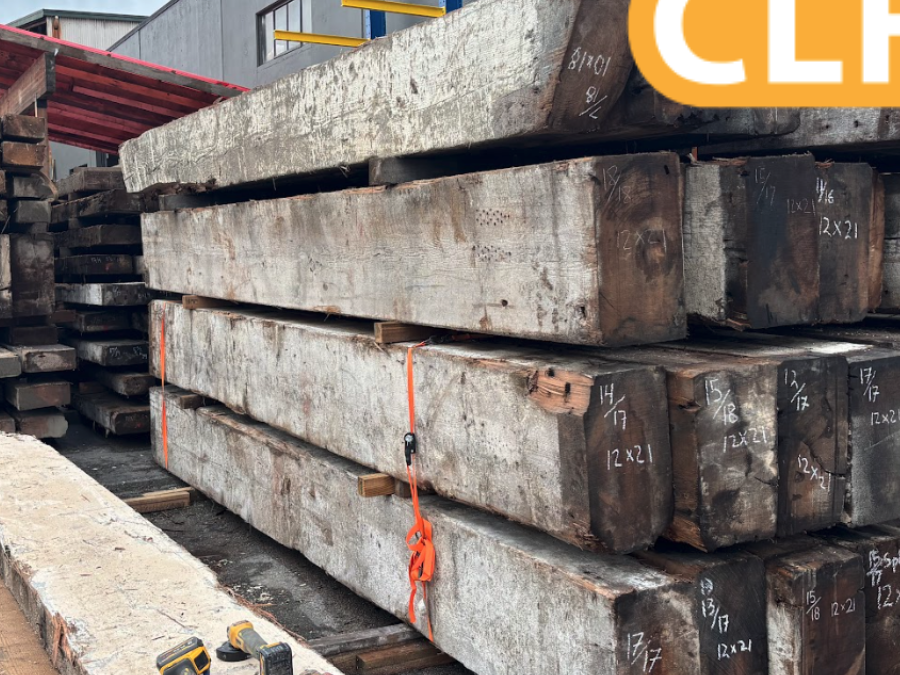
New Carbon Accounting Rules Open Public Bids to Salvaged Materials
Public procurement rules increasingly require certified environmental product declarations, yet lack of standards has locked salvaged materials out of major bids. New guidance from the Carbon Leadership Forum establishes life cycle modeling rules, allowing reclaimed steel, lumber, and brick to earn third-party verification and compete directly against virgin products.
-

Industrial Upgrades Alone Cannot Meet US Embodied Carbon Targets
A national modeling study benchmarks upfront emissions across 30 construction materials through 2050, finding that industrial clean technology cannot hit climate targets without immediate, aggressive reductions in design-side material demand across buildings and infrastructure.
-
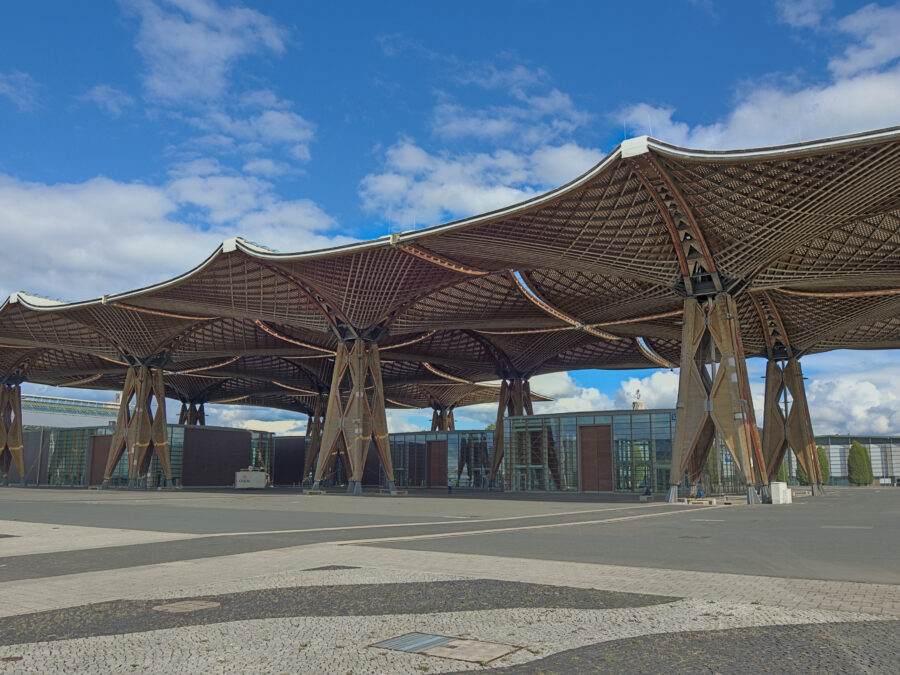
Panelized Wood Roof Systems Speed Commercial Framing and Cut Carbon
As developers seek rapid decarbonization in large-footprint logistics and light-industrial facilities, panelized wood roof systems offer a proven structural alternative to traditional steel bar joists and metal decking, combining ground-level pre-assembly safety with installation rates that can exceed 100,000 square feet per week.
-
ILFI Opens Timber Specifications to Indigenous and Community Forests
A practice guide from the International Living Future Institute broadens wood procurement under the Living Building Challenge beyond conventional third-party labels. The framework establishes verifiable ecological benchmarks that let design teams specify timber from Tribal nations and community forests without sacrificing chain-of-custody rigor or facing compliance penalties.