Self-healing concrete for safer, more durable, and greener infrastructure? Professor Victor Li at the University of Michigan has created concrete that can bend and heal itself. A concrete material developed at the University of Michigan can heal itself when it cracks. No human intervention is necessary–just water and carbon dioxide. A handful of drizzly days…
Self-healing concrete for safer, more durable, and greener infrastructure? Professor Victor Li at the University of Michigan has created concrete that can bend and heal itself.
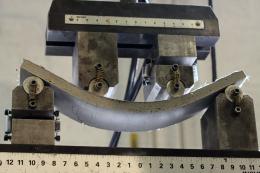
5% tensile strain applied to self healing concrete.
A concrete material developed at the University of Michigan can heal itself when it cracks. No human intervention is necessary–just water and carbon dioxide.
A handful of drizzly days would be enough to mend a damaged bridge made of the new substance. Self-healing is possible because the material is designed to bend and crack in narrow hairlines rather than break and split in wide gaps, as traditional concrete behaves.
An RMI study reveals that Maryland single-family households switching from heating oil and propane to high-efficiency heat pumps reduce annual energy bills…
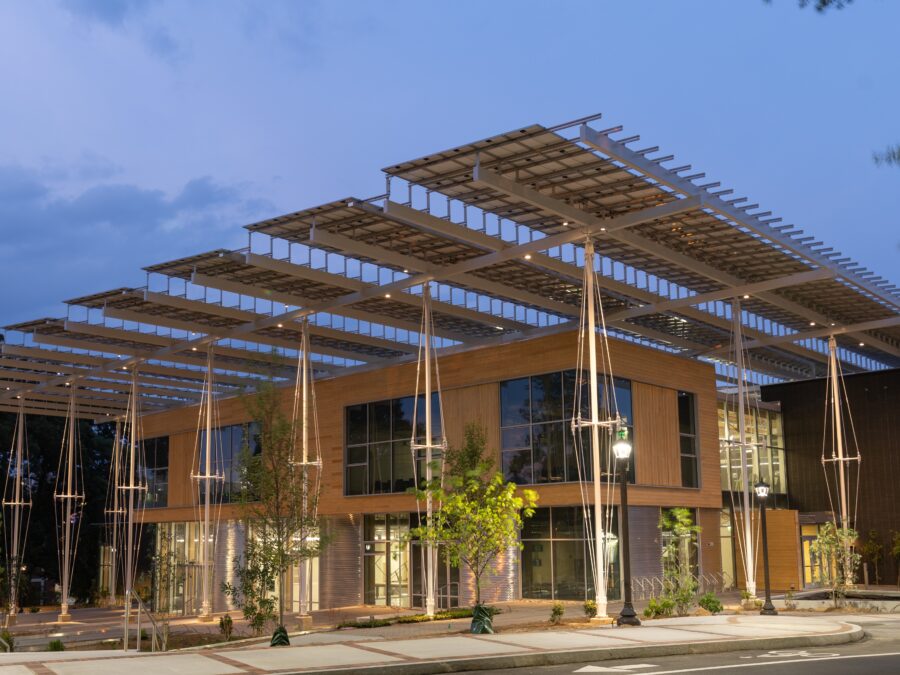
Operational performance records from the Bullitt Center, RMI Innovation Center, Kendeda Building, and PAE Living Building demonstrate how engineering assumptions have shifted…
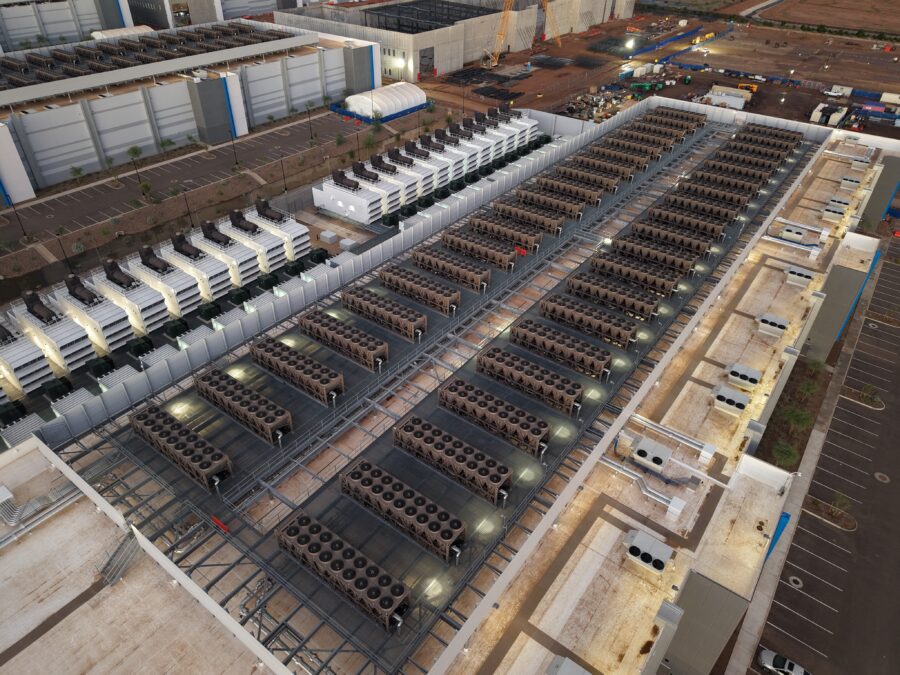
ASHRAE, NEMA, and Pacific Northwest National Laboratory have released the AI Data Center Energy Performance Framework. Developed with more than 50 industrial…
A national modeling study benchmarks upfront emissions across 30 construction materials through 2050, finding that industrial clean technology cannot hit climate targets…