Why it matters: School districts often defer healthy building investments because complete capital reconstructions seem financially impossible. By demonstrating that districts can specify Red List Free products across six core finish categories within standard competitive bidding statutes and routine maintenance budgets, this initiative establishes a repeatable procurement blueprint for specifiers, architects, and facility directors managing aging educational infrastructure nationwide.
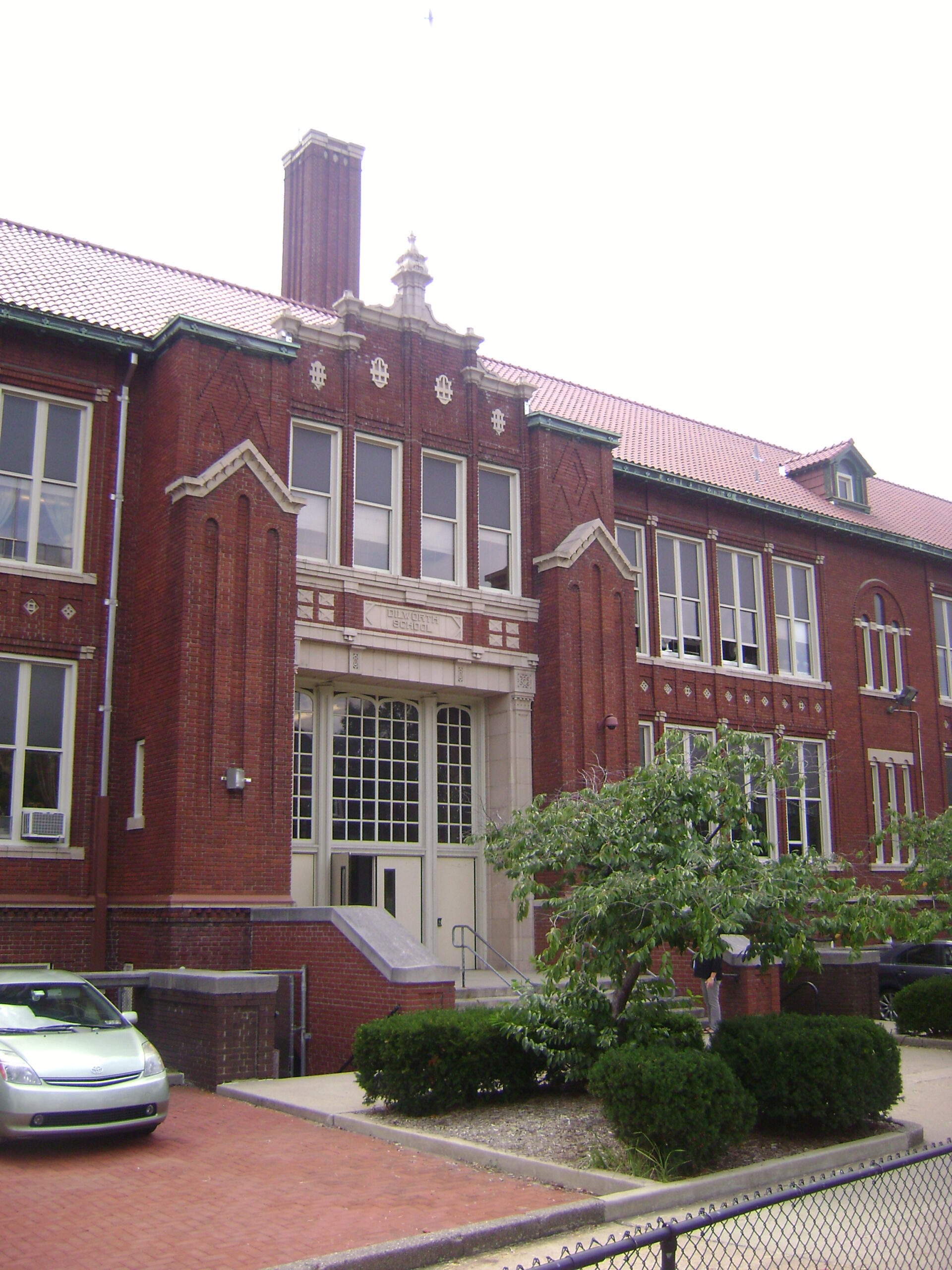
Public school facilities across the United States face an enormous renewal deficit. More than half of the country’s schools require substantial overhauls across multiple building systems, while public school buildings in Pennsylvania average nearly 70 years of service life, well beyond the national average of approximately 50 years. For most school boards, the prospect of funding ground-up replacement or comprehensive deep-energy capital modernizations remains financially out of reach. Yet the physical degradation of aging school buildings creates immediate indoor environmental risks, exposing students and staff to legacy hazards such as lead paint, asbestos, and radon, alongside modern chemical hazards introduced during standard repairs.
Targeting Finish Categories Through Routine Maintenance
Findings from the 2025 Living Future K-12 Public Schools Cohort, published by the International Living Future Institute and funded by The Heinz Endowments, indicate that districts do not need to wait for multi-million-dollar bond issues to achieve material health. Partnering with four diverse Pennsylvania public education entities, Pittsburgh Public Schools, Woodland Hills School District, William Penn School District, and Green Woods Charter School, the pilot analyzed how standard facilities operations can incrementally remove chemical risks.
Rather than attempting total building transformations, the cohort focused on six commodity interior finish categories that turn over frequently during cyclic maintenance: acoustic ceiling tiles, carpet and carpet tile, resilient flooring, interior paints, primers and sealants, gypsum board assemblies, and thermal and acoustic insulation. These materials represent large surface areas within learning environments. When specified carelessly, they introduce per- and polyfluoroalkyl substances, added formaldehyde, halogenated flame retardants, and ortho-phthalates directly into the breathing zone of developing children.
Navigating Public Bidding Constraints
A central challenge for public school procurement officials is adhering to municipal and state bidding statutes. Public procurement laws typically require competitive sealed bidding and prohibit sole-sourcing proprietary specifications, which has historically caused facility managers to shy away from rigorous green building programs. Many administrators assumed that demanding non-toxic materials would either run afoul of statutory procurement requirements or introduce prohibitive cost premiums.
The pilot evaluated the integration of product transparency labels, specifically the Declare database and Living Building Challenge Red List Free criteria, into standard public bid packages. The analysis determined that public entities can establish clear performance thresholds using open transparency directories without limiting competition. By specifying verified chemical screening criteria across the six interior finish classes, districts established competitive bidding environments that included multiple qualifying product lines. According to the cohort findings, these requirements eliminated hazardous ingredient classes without imposing cost premiums over conventional commercial finishes.
Balancing Incremental Progress and Long-Term Capital
Material interventions implemented during routine summer repainting, carpet replacement, or acoustic tile remediation deliver immediate biological protections. Cohort documentation argues that combining non-toxic finishes with enhanced ventilation, daylighting, and biophilic interior elements directly improves classroom concentration, attendance records, and overall respiratory health. For school districts serving historically disinvested communities, eliminating hazardous exposures through routine operating budgets functions as an immediate health equity intervention.
However, the cohort report notes clear operational boundaries. While routine procurement strategies successfully eliminate toxic product classes, full conversion to net-zero carbon operations or comprehensive Living Building Challenge certification still requires substantial mechanical and structural overhauls. These long-term capital transformations remain reliant on future municipal bond measures and state infrastructure funding appropriations. In the interim, establishing healthy material procurement standards allows school districts to safeguard indoor air quality room by room, ensuring that routine maintenance expenditures consistently advance occupant health.
What Professionals Should Know
- Districts can eliminate hazardous chemicals incrementally through routine cyclic maintenance instead of waiting for capital reconstruction funding.
- Prioritizing six core interior categories delivers the highest health impact: ceiling tiles, carpet, resilient flooring, paints and sealants, gypsum board, and insulation.
- Declare labels and Red List Free criteria can be written into public procurement specifications without violating open competitive bidding laws or raising costs.
- Public facilities teams must address both legacy environmental hazards like lead or asbestos and modern hazards like PFAS and formaldehyde simultaneously.
Sources
- Advancing the K-12 Sector Towards a Living Future In Pennsylvania — International Living Future Institute (Trim Tab)
- Advancing Declare — International Living Future Institute (Trim Tab)
- Author Archive: Susan Puri — International Living Future Institute (Trim Tab)